

















How to Store Food Properly So It Lasts Longer
Wasting less food saves money every week. Learn how to store vegetables, fruit, meat, grains and leftovers properly so everything lasts days longer.

Every household throws away food that was bought with good intentions. Most of it spoils early not because it was old, but because it was stored wrong. These simple storage rules stretch the life of your groceries — and your budget.
Know Your Fridge Zones
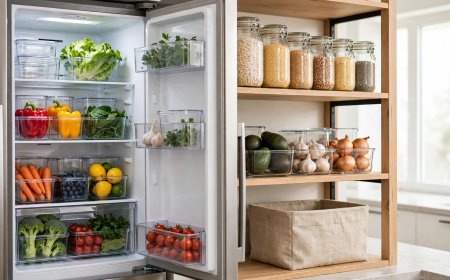
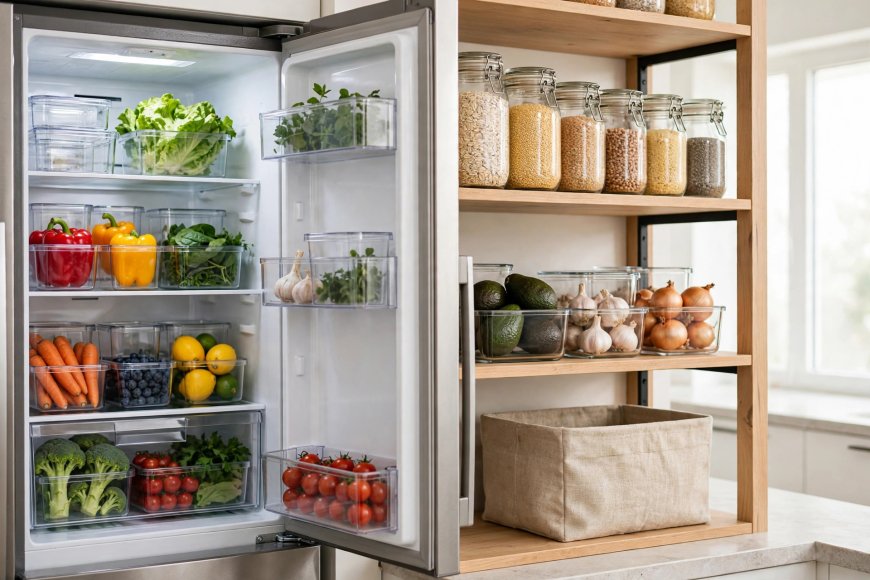
The fridge is not one temperature. The door is the warmest spot — keep condiments there, never milk or eggs. The back of the lower shelves is coldest, ideal for raw meat and fish, stored on a plate to catch drips. Crisper drawers suit vegetables and fruit.
Keep Vegetables Dry and Breathing
Moisture is the enemy of leafy greens and herbs. Wash them when you will use them, not before storing. Wrap greens in a dry paper towel inside a container — they can last a week instead of two days.
Some Foods Hate the Fridge
Tomatoes lose flavour and turn mealy in the cold. Potatoes sweeten and sprout oddly; keep them in a dark cupboard. Onions and garlic want dry air, bananas ripen faster near other fruit, and bread stales quicker refrigerated than at room temperature.
Fruit: Separate the Ripeners
Bananas, avocados and apples release a gas that ripens everything nearby. Store them apart from sensitive produce unless you actually want to speed something up — a hard avocado in a bag with a banana is the useful exception.
Meat and Fish: Cold, Sealed, Fast
Use fresh meat and fish within one to two days, or freeze them the day you buy them. Store sealed, on the lowest shelf, so nothing can drip onto other food. Thaw in the fridge overnight, never on the counter all day.
Grains, Flour and Nuts: Airtight and Dark
Rice, flour, pasta and nuts last months in airtight containers away from heat and light. Nuts and wholegrain flours keep even longer in the fridge or freezer because their oils go rancid slowly.
Leftovers: The Two-Hour Rule
Refrigerate cooked food within two hours, in shallow containers so it cools quickly. Eat leftovers within three days, reheat until steaming hot throughout, and when in doubt, throw it out.
First In, First Out
When unpacking shopping, move older items to the front of shelves and cupboards and put new ones behind. This one habit — used by every professional kitchen — quietly eliminates most forgotten, expired food.
Use Your Freezer Properly
Freeze in portions, squeeze air out of bags, and label with the date. Bread, cooked rice, soups, chopped herbs in oil, and overripe bananas for baking all freeze beautifully.
Storing food well is a skill that pays you back every single week — in money saved, meals rescued, and a fridge that never surprises you.
What's Your Reaction?
 Like
0
 Dislike
0
 Love
0
 Funny
0
 Angry
0
 Sad
0
 Wow
0